

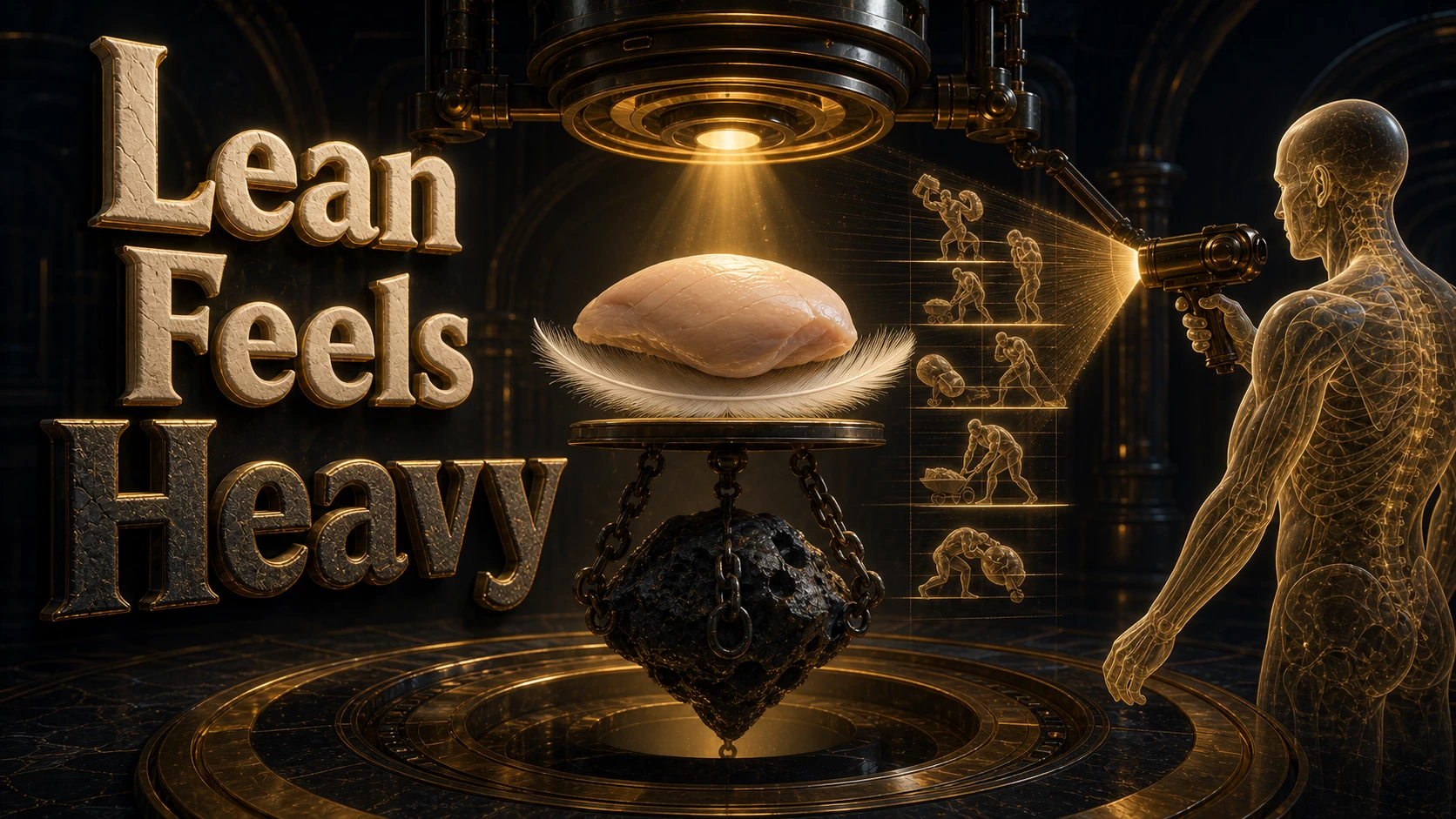
lean protein feels heavy is the core idea this article explains through the Tayibat lens, focusing on what happens inside the body rather than relying on labels alone.
Clean. Smart. Fitness-approved. Meal-prep friendly. The kind of food that walks into a nutrition conversation wearing a white coat and acting like it has never caused a problem in its life.


So when someone eats grilled chicken, turkey, tuna, egg whites, lean meat, or a “clean” protein bowl and still feels heavy, bloated, slow, or tired afterward, it feels confusing.
Because lean protein is supposed to be light.
Right?
Not always.
Your body does not digest the word lean. It digests the full meal: the texture, the protein structure, the cooking method, the chewing, the stomach acid demand, the enzyme work, the gut response, and the repetition of that meal over time.
Lean on the label does not always mean light inside the body.
That is the missing piece.
Before we get into the details: Why Does Lean Protein Feel Heavy?
Lean protein can feel heavy because protein still requires real digestive work. Even when a meal is low in fat, the body still has to break down dense protein structures, hold the meal in the stomach long enough for digestion, release acid and enzymes, move the food through the gut, and manage the full response after eating.
For many people, lean protein is well tolerated and useful. But for others, especially when eaten in large portions, cooked until dry, eaten too often, swallowed too quickly, or combined with other heavy foods, it may create:
- fullness that lasts for hours
- stomach heaviness
- bloating or gas
- slow digestion
- fatigue after eating
- a “food sitting in the stomach” feeling
- digestive discomfort after supposedly healthy meals
This does not mean lean protein is bad.
It means your body may be reading more than protein grams.
The better question is not only:
Is this meal high in protein?
The better question is:
Did this protein pass through your body quietly?
The Problem With the Word “Lean”
The word lean mostly describes fat content.
It tells you the food has less visible fat compared with fattier cuts or heavier meals. That can be useful information, but it is not the whole story.
Lean does not tell you:
- how dense the protein structure is
- how much chewing the meal needs
- how it was cooked
- how dry or tough the texture is
- how long it stays in the stomach
- how much acid and enzyme work it demands
- whether your gut handles it peacefully
- whether eating it daily creates repeated workload
This is where the usual nutrition conversation gets too flat.
It says:
This meal is lean, so it must be light.
But the body is not reading a menu label.
The body is dealing with a biological project.
A grilled chicken breast may look simple on a plate. Inside the body, it still needs to be softened, unfolded, broken down, moved, absorbed, and handled by the gut and liver.
That work may be smooth for one person.
And strangely exhausting for another.
The Tayibat View: Your Body Reads the Journey
In the Tayibat System, food is not judged only by what it contains.
The deeper question is:
What does this food do inside the body?
Lean protein may contain useful amino acids. That part matters. Protein supports tissue repair, muscle maintenance, enzymes, immune function, and many other processes.
But a benefit does not erase the journey needed to reach that benefit.
Your body has to pay the digestive cost before it can use the nutritional value.
That cost depends on the full journey:
- source
- texture
- cooking method
- portion size
- meal timing
- chewing
- stomach acid
- enzyme demand
- gut motility
- microbiome response
- personal tolerance
This is why one person can eat a protein-heavy meal and feel steady, while another eats the same meal and feels like their stomach has accepted a full-time job.
The question is not only whether protein is valuable. The question is whether your body receives it calmly.
Protein Naturally Slows the Stomach Down
Protein is not supposed to rush through the stomach.
When you eat a protein-rich meal, the body slows things down so it can break the meal apart properly. This is normal physiology, not a problem by itself.
Protein-rich meals can stimulate fullness signals and slow gastric emptying. That slower movement can be useful. It may help you feel full longer and keep the meal from disappearing too quickly.
But here is the twist.
The same fullness that feels satisfying to one person may feel heavy to another.
One body says:
Great, I’m full and stable.
Another body says:
Why is this meal still sitting here three hours later?
This is why high-protein meals can be both helpful and uncomfortable depending on the person.
The mechanism is not automatically bad. But the experience can become unpleasant.
Low Fat Does Not Mean Low Work
A common mistake is assuming fat is the only reason meals feel heavy.
Fat can slow digestion, yes. But protein has its own workload too.
Lean protein may be low in fat, but it can still be dense, chewy, dry, overcooked, or difficult for a tired digestive system to handle.
Think of the difference between:
- soft, moist, slowly cooked protein
- dry grilled chicken breast
- rubbery reheated turkey
- hard-seared lean meat
- protein eaten quickly without chewing well
They may all count as lean protein on paper.
But they are not the same journey inside the stomach.
The body has to physically break down the texture before it can chemically digest the protein.
If the food is dry, dense, overcooked, or eaten too fast, the stomach has more work to do.
That work may show up as pressure, fullness, burping, heaviness, or fatigue.
Cooking Method Changes the Protein Journey
Cooking matters more than people think.
Protein is not just protein after heat touches it. Cooking changes structure, texture, moisture, and how the meal feels in the body.
High-heat methods like grilling, roasting, deep browning, or repeated reheating can make protein firmer and drier.
This does not mean grilled protein is automatically bad.

It means the cooking method can change the workload.
A piece of lean protein that is soft, moist, and easy to chew may feel completely different from the same protein cooked until dry and tough.
Your mouth already knows this.
If chewing feels like a negotiation, your stomach may not be thrilled either.
That is why two people can both say they had lean protein for lunch, while their bodies received two very different meals.
Chewing Is Part of Digestion, Not a Social Detail
Lean protein often gets eaten in a hurry.
Meal-prep containers. Gym meals. Desk lunches. Chicken salads between calls. Protein plates eaten while scrolling.
The body does not love rushed protein.
Chewing is not just about manners. It reduces particle size, mixes food with saliva, and prepares the stomach for what is coming.
If protein is swallowed in large pieces, the stomach has to do more mechanical work.
That can increase the feeling that food is sitting there.
Sometimes the issue is not the protein source alone.
It is the speed of the meal.
Lean protein eaten slowly may feel normal.
The same protein eaten fast may feel like a brick with a fitness influencer attached to it.
Protein, Bloating, and Gut Fermentation
Bloating after lean protein can feel strange because people usually blame bloating on beans, fiber, dairy, or bread.
But protein can be involved too.
Ideally, most protein is broken down and absorbed before it reaches the colon. But if some protein is not fully digested, gut bacteria can interact with it.
That does not mean protein is toxic.
It means undigested protein becomes part of the gut environment, and the gut microbiome may respond in ways that create gas, pressure, odor changes, or discomfort in some people.
Some people may experience that as:
- gas
- bloating
- pressure
- odor changes
- gut discomfort
- a heavy lower-belly feeling
This depends on the amount of protein, the source, the cooking method, how well it was chewed, how well the person digests protein, and the state of the microbiome.
Again, the point is not fear.
The point is that lean protein is not invisible inside the gut.
Why Protein Meals Can Make Some People Tired
Post-meal fatigue is one of the most misunderstood body signals.
People expect sugary meals to cause a crash. They do not expect clean protein to make them sleepy.
Yet some people feel tired after lean protein meals.
There are several possible reasons.
First, digestion shifts attention toward the gut. After a large or dense meal, the body may move into a stronger rest-and-digest state.
Second, protein-rich meals can increase fullness signals and slow the movement of food from the stomach. That longer digestive process may feel like low energy in some people.
Third, if the person already has weak digestion, reflux, bloating, gut irritation, low appetite, or poor meal timing, the protein meal may feel like extra work instead of clean fuel.
Fourth, the full meal matters. Lean protein is often eaten with sauces, bread, rice, pasta, dairy, oils, salads, protein powders, or processed seasonings. The final reaction may come from the whole plate, not the protein alone.
This is why the better question is not:
Is lean protein healthy?
The better question is:
Did this meal give me energy, or did it put my body into recovery mode?
The Hidden Role of Meal Context
No food enters the body alone unless you eat it alone.
Lean protein often comes with a supporting cast.
Sometimes that cast is heavier than the protein itself.
For example:
- grilled chicken with white bread
- turkey slices with processed sauces
- lean beef with heavy seasoning
- protein bowls with dairy-based dressings
- egg whites with cheese and toast
- protein shakes with sweeteners or lactose
- tuna with mayo and crackers
Then the person says:
Protein makes me bloated.
Maybe.
But maybe the whole meal created the signal.
The Tayibat approach reads the full event.
Not just the macro.
Not just the protein grams.
Not just the word lean.
The full plate matters because the body receives the full plate.
Repetition: When Clean Eating Becomes Daily Work
One lean protein meal is not the same as the same lean protein every day.
Daily repetition changes the story.
Many people trying to eat healthy fall into a routine:
Chicken every day.
Tuna every day.
Egg whites every morning.
Turkey slices every lunch.
Protein shake every afternoon.
On paper, this looks disciplined.
Inside the body, it may become repetitive workload.

Same texture.
Same protein source.
Same digestive demand.
Same gut signal.
Same meal timing.
Some bodies tolerate this beautifully.
Others begin to complain quietly.
Not with a dramatic medical emergency. Just with small signals:
- heaviness
- bloating
- fatigue
- slower digestion
- less appetite
- burping
- stomach pressure
- feeling off after meals
And because the food is labeled clean, the person ignores the signal.
This is how a healthy habit can become daily work.
Your body may not reject the food. It may simply ask for less repetition.
Protein Is Valuable, But Value Is Not the Whole Story
This article is not anti-protein.
Protein matters.
The body needs amino acids for repair, muscle, enzymes, immune function, hormones, and tissue maintenance.
The problem is not protein itself.
The problem is the overly simple belief that if a meal is high-protein and low-fat, the body must experience it as light.
That is not always true.
A valuable food can still be demanding.
A useful nutrient can still require work.
A clean-looking meal can still create bloating or fatigue in a specific body.
This is the difference between nutrition on paper and nutrition in real life.
Nutrition on paper says:
Lean protein. Good choice.
The body says:
Let me show you how this actually lands.
How to Tell If Lean Protein Is Too Heavy for You
You do not need to panic or make extreme decisions.
You need pattern awareness.
Start by noticing what happens after lean protein meals.
Ask:
- Do I feel heavy for hours?
- Do I get bloated after protein-heavy meals?
- Do I feel sleepy instead of steady?
- Does grilled or dry protein feel worse than softer protein?
- Do symptoms happen more when I eat quickly?
- Does the same protein source bother me when I eat it daily?
- Do sauces, bread, dairy, or protein powders change the reaction?
Try not to judge based on one meal.
Look for repeated patterns.
A simple food journal can help. Write down the protein source, cooking method, portion size, what you ate with it, and how you felt after one hour, three hours, and later that day.
You are not diagnosing yourself.
You are collecting your own body data.
Ways to Make Protein Feel Lighter Without Fear
If lean protein feels heavy, the answer is not automatically “stop protein.”
Sometimes small changes can reduce the workload.
You may consider:
This is not a treatment plan.
It is a way to listen.
The goal is to see whether your body prefers a different protein journey.
When to Talk to a Doctor
Feeling heavy after a meal can be a simple digestive signal, but some symptoms need medical attention.
Speak with a healthcare professional if you have:
- persistent abdominal pain
- vomiting
- blood in stool
- unexplained weight loss
- chronic diarrhea
- difficulty swallowing
- severe or unexplained fatigue
- symptoms of allergy such as swelling, hives, wheezing, or breathing difficulty
- known kidney disease, liver disease, gallbladder disease, pancreatitis, or diabetes on medication
Children, pregnant women, and people on regular medication should be especially careful with major diet changes.
Food awareness is helpful, but it does not replace proper medical evaluation.
Final Thought: Your Body Does Not Eat Macros
Lean protein can be useful.
Lean protein can support the body.
Lean protein can be part of a healthy diet for many people.
But lean protein can still feel heavy inside some bodies.
That is not a contradiction.
That is the difference between a label and a lived experience.
Your body does not eat macros in a spreadsheet.
It eats texture, timing, cooking, chewing, stomach work, enzyme demand, gut response, meal context, and repetition.
So the real question is not:
Is this protein lean?
The real question is:
Did this protein pass through your body quietly?
Because food is not just nutrients.
It is a journey inside the body.
And not every clean meal arrives quietly.
FAQs About Why Lean Protein Feels Heavy
Why does lean protein feel heavy even though it is low in fat?
Lean protein can still feel heavy because protein requires chewing, stomach acid, enzymes, and slower digestive movement. Low fat does not always mean low digestive work.
Can lean protein cause bloating?
Lean protein does not cause bloating in everyone, but some people may feel bloated after protein-heavy meals. This may relate to portion size, cooking method, poor chewing, gut sensitivity, or how the full meal moves through the digestive system.
Why do I feel tired after eating clean protein?
Protein-rich meals can increase fullness signals and slow the movement of food from the stomach. In some people, that digestive workload may feel like sleepiness, heaviness, or post-meal sluggishness.
Does grilled chicken digest slowly?
Grilled chicken can feel heavy for some people, especially if it is dry, overcooked, eaten quickly, or eaten in a large portion. Cooking method and texture can change the protein journey inside the body.
Is lean protein bad for digestion?
No. Many people digest lean protein well. The point is that some bodies may experience certain protein meals as heavy depending on texture, cooking, portion size, repetition, meal context, and digestive state.
Can protein shakes make you bloated?
Some people feel bloated after protein shakes, especially if they contain lactose, sweeteners, gums, large doses of protein, or ingredients they do not tolerate well. The response is individual.
Should I stop eating protein if it feels heavy?
Not automatically. Protein is important. Instead of making extreme changes, notice patterns, adjust meal size or cooking method, rotate sources, and speak with a healthcare professional if symptoms are persistent or severe.
When should heaviness after protein be checked medically?
Medical evaluation matters if heaviness comes with persistent pain, vomiting, blood in stool, unexplained weight loss, chronic diarrhea, trouble swallowing, severe fatigue, allergy symptoms, or existing kidney, liver, gallbladder, pancreatic, or metabolic disease.
Before making a change: This article is for educational purposes only. It does not diagnose, treat, or replace medical advice. If digestive symptoms are severe, persistent, or unusual, speak with a qualified healthcare professional.
Understand the true metabolic cost of proteins in are eggs really a perfect protein.
For scientific context on human digestion, you can explore peer-reviewed studies on PubMed.
Medical note
This article is educational and does not replace a clinician, especially when symptoms are persistent, severe, or tied to a diagnosis, medication, or treatment plan. Do not stop or change prescribed care based on this article alone.


