
You eat, and instead of feeling steady, you feel heavy, sleepy, foggy, slow, or oddly pulled away from focus. The usual explanation is simple: food coma. The more useful question is: what did the meal ask the body to do?
Your body does not receive “calories” in isolation. It receives texture, volume, speed, fat, starch, protein, sugar, timing, stress, sleep debt, and digestive workload.
Quick Answer: Why Do I Feel Tired After Eating?
Feeling tired after eating can happen when a meal creates a large digestive and metabolic workload. Big portions, refined carbohydrates, heavy fats, low fiber, fast eating, poor sleep, dehydration, reflux, bloating, blood sugar variation, or post-meal blood pressure changes may all contribute.
For many people, occasional sleepiness after a large meal is not dangerous. But repeated, severe, or unusual fatigue deserves attention, especially if it comes with dizziness, sweating, faintness, confusion, strong thirst, frequent urination, weight loss, anemia, chronic diarrhea, blood in stool, chest symptoms, or known diabetes.
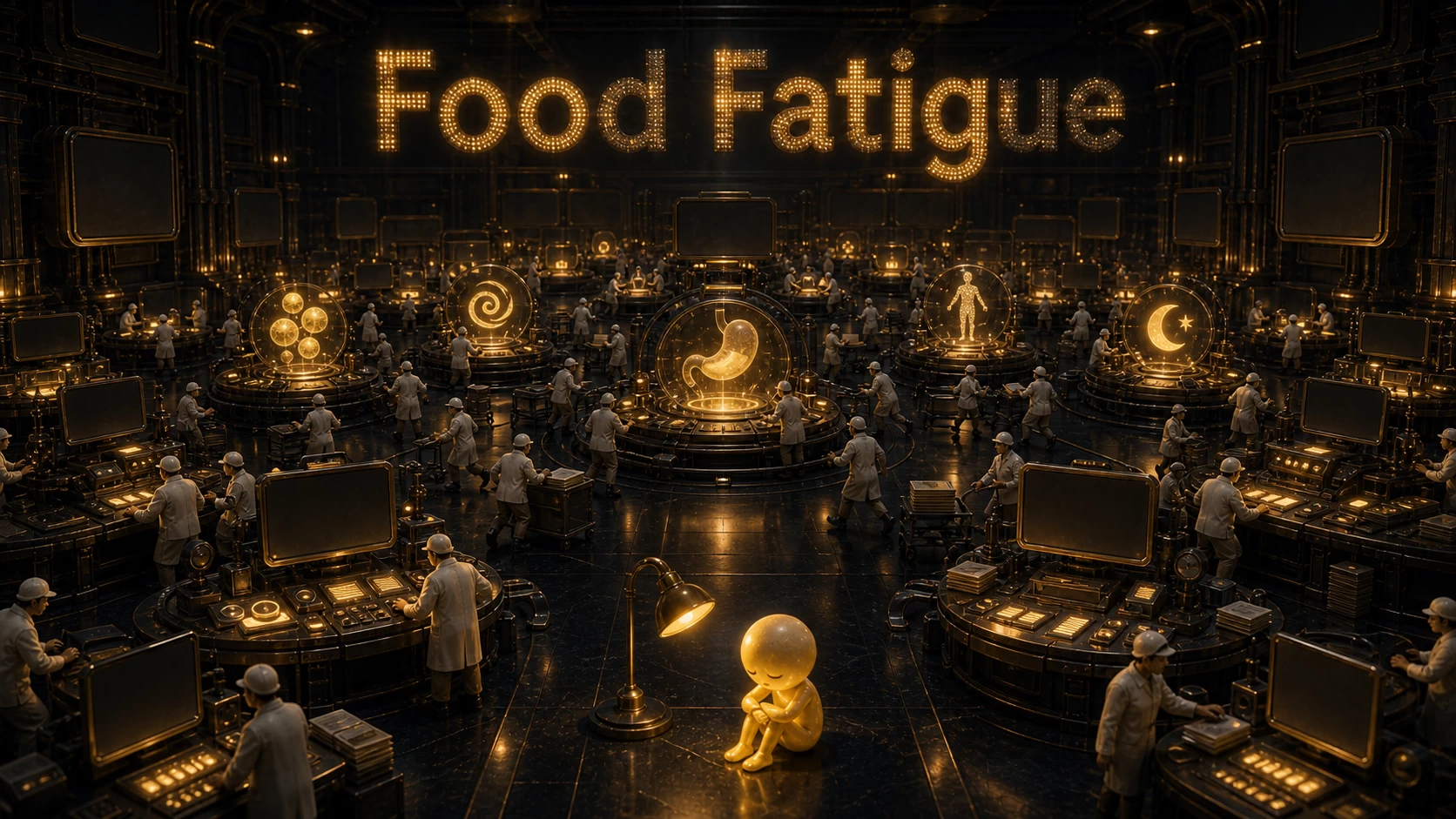
Food Is Fuel, But It Is Also Work
The body must chew, swallow, acidify, churn, release enzymes, move bile, absorb nutrients, regulate glucose, coordinate hormones, move blood flow, and communicate with the brain. A light meal may pass through quietly. A dense meal may sound louder inside.

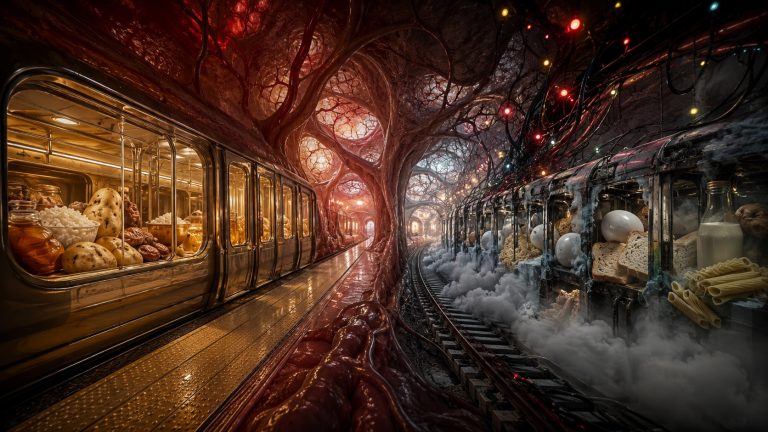
This is the Tayibat reading: the question is not only what a food contains, but what journey it creates after it enters the body.
Why Refined Carbs Can Feel Like a Fast Switch
Soft white bread, pastries, sweet drinks, and other refined foods can arrive pre-broken and easy to eat quickly. They may deliver starch or sugar rapidly, especially when eaten without enough fiber, protein, or structure. Some bodies experience that speed as a rise and then a dip in energy.

This does not mean carbohydrates are bad. It means the form, portion, and context of carbohydrates matter.
Why Heavy Meals Can Pull Energy Down
Fat-rich meals, very large meals, creamy foods, fried foods, and mixed meals with refined flour can slow stomach emptying and increase upper-abdominal pressure. That can feel like fullness, reflux, sleepiness, or a need to sit still while the body handles the load.

The Gut-Brain Signal
The digestive system speaks to the nervous system. Bloating, reflux, distension, discomfort, and glucose shifts can all affect focus and mood. The brain may interpret internal workload as fog, heaviness, or fatigue.
How to Read the Pattern Without Fear
- Notice whether fatigue follows large portions or specific food forms.
- Compare refined flour meals with more structured meals.
- Watch whether sleep debt makes the same meal feel heavier.
- Track reflux, bloating, gas, or constipation alongside fatigue.
- Notice if movement after meals changes the response.
Medical Note
This article is educational only. It does not diagnose, treat, or replace medical care. Speak with a qualified healthcare professional if post-meal fatigue is severe, persistent, worsening, associated with fainting, confusion, chest pain, abnormal glucose readings, unexplained weight loss, chronic diarrhea, blood in stool, anemia, or symptoms of allergy.

Final Tayibat Reading
Food fatigue after meals is a signal, not a moral failure. Sometimes the body is not saying “you are weak.” It is saying: this meal opened many jobs at once.